
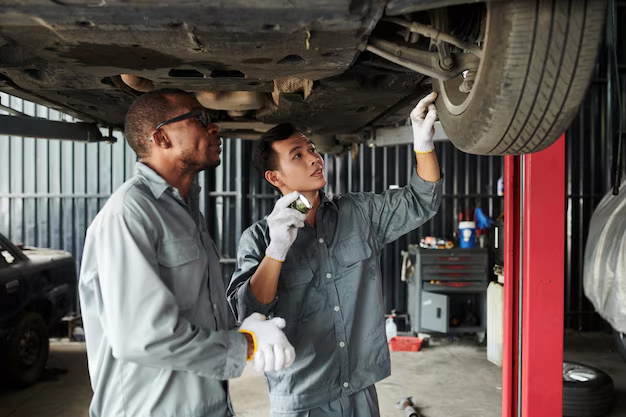
When a used car dealer tells you a vehicle “needs nothing,” it sounds like a dream. No unexpected repairs, no hidden issues, just a car ready to hit the road. But what does that really mean? At Penguin Auto, this phrase isn’t marketing fluff. Every car labeled “need nothing” has gone through a meticulous used car inspection checklist and a full reconditioning process to ensure safety, reliability, and performance.
If you’re shopping for used cars in Madison, WI, or anywhere else, understanding what goes into an inspected and reconditioned used car can help you feel confident in your purchase. It also gives you insight into why some vehicles truly need nothing, while others may still have hidden issues.
What an Inspected Used Car Means
A vehicle that has been professionally inspected is more than just cleaned and checked over quickly. It has passed a thorough safety inspection checklist that car owners can trust. This involves examining every key system in the car, from brakes and tires to engine components and electrical systems.
When you see the phrase “inspected used car” at a dealership, it indicates the vehicle has undergone detailed scrutiny to ensure it meets quality and safety standards. Essentially, the dealer is telling you this car is mechanically sound and road-ready.
However, not all inspections are created equal. At a trusted dealership like Penguin Auto, the dealership inspection checklist goes far beyond a basic walk-around. It’s a comprehensive evaluation designed to uncover common used car problems to check before a buyer drives off the lot.
The Used Car Inspection Checklist
A professional used car inspection checklist generally covers multiple areas:
1. Engine and Transmission
Mechanics examine the engine for leaks, unusual noises, and performance issues. The transmission is checked for smooth shifting, fluid quality, and any signs of wear. Early detection of engine or transmission problems can save buyers thousands in repairs.
2. Brakes and Suspension
Brakes are one of the most critical safety components. Inspectors check pads, rotors, and fluid levels. The suspension system is also tested to ensure a smooth ride and proper handling. This step is key to avoiding problems such as uneven tire wear or steering issues.
3. Tires and Wheels
Tires are inspected for tread depth, even wear, and sidewall damage. Wheels are checked for alignment issues that can affect handling and fuel economy. Many buyers overlook tires, but they are essential to both safety and performance.
4. Electrical Systems
All lights, dashboard indicators, and electronic components are tested. Faulty wiring or dead batteries can be costly and dangerous, so a thorough check ensures everything functions properly.
5. Fluids and Filters
A complete inspection includes checking and replacing fluids like oil, coolant, brake fluid, and transmission fluid. Filters for air, oil, and fuel are also inspected and replaced as needed. Proper fluid maintenance prevents long-term engine and transmission damage.
6. Interior and Exterior Condition
The inspection isn’t purely mechanical. Dealers also check for cosmetic issues, including dents, scratches, and interior wear. This ensures the vehicle not only drives well but also looks well-maintained.
7. Test Drive
Finally, a road test evaluates how the car performs in real-world conditions. Inspectors listen for unusual noises, check acceleration and braking, and ensure all systems respond as expected.
The Used Car Reconditioning Process
Once a vehicle passes the initial inspection, it enters the used car reconditioning process. Reconditioning is where “need nothing” really comes to life. This process can include:
- Replacing worn brake pads, rotors, or suspension components
- Rotating or replacing tires for optimal safety
- Fixing cosmetic issues such as dents, scratches, or paint chips
- Servicing the engine and transmission for peak performance
- Updating fluids and filters to manufacturer specifications
- Detailing the car for a like-new appearance
This process ensures that any common used car problems to check are addressed before the vehicle reaches a buyer. Reconditioning turns a used car into a vehicle that truly requires no immediate maintenance after purchase.
Why This Matters to Buyers
For many buyers, the promise of a “need nothing” car provides peace of mind. Instead of budgeting for unexpected repairs, they can focus on enjoying their vehicle. Understanding the inspection and reconditioning process also allows buyers to ask informed questions, like:
- Has the car had a recent brake inspection?
- Are all fluids and filters up to date?
- Were there any issues found during the dealership inspection checklist?
- Has the suspension or tires been fully checked and serviced?
Being informed helps you avoid surprises and ensures you’re getting a safe, reliable vehicle.
Used Car Maintenance After Purchase
Even cars that need nothing still benefit from regular maintenance. Following manufacturer-recommended service schedules is essential for keeping your vehicle in top condition. Some tips include:
- Regular oil and filter changes
- Tire rotations and alignment checks
- Brake inspections at recommended intervals
- Monitoring fluid levels and topping off as needed
- Observing for any unusual sounds or changes in performance
With these habits, your “need nothing” car can stay that way for years.
Choosing the Right Dealership
Not all used car dealerships follow the same inspection and reconditioning standards. A trusted dealer like Penguin Auto in Madison WI emphasizes transparency and thoroughness. They provide a complete used car inspection checklist and explain each step of the reconditioning process, giving buyers confidence in every vehicle.
When shopping, look for:
- A detailed inspection checklist available for review
- Clear documentation of any repairs or replacements made
- Professional and ASE-certified mechanics performing the work
- A commitment to safety and reliability, not just sales
By choosing a reputable dealership, you reduce the risk of hidden issues and get a vehicle you can trust from day one.
The phrase “need nothing” is more than marketing language when backed by a thorough used car inspection and reconditioning process. It reflects a vehicle that has been carefully examined, repaired, and serviced so that buyers can enjoy peace of mind and a reliable ride.
Understanding the inspection checklist, reconditioning steps, and ongoing maintenance needs ensures that your used car purchase is a smart investment. You’ll know exactly what goes into making a car truly ready for the road.
If you’re ready to explore a selection of vehicles that have undergone this meticulous process, visit Penguin Auto. Our expert team is committed to helping you find a safe, reliable, and reconditioned used car that truly needs nothing, so you can drive away with confidence.