

You leave for work, turn the key, and hear the engine struggle instead of starting. Or you discover that your tires have lost pressure overnight just as the roads begin to ice. These are the kinds of problems that become much more stressful when you are already late, cold, and sitting in a Madison driveway.
The good news is that many cold-weather breakdowns are preventable. A little preparation before the first freeze can help your vehicle start reliably, handle slippery roads, and keep you safer throughout Wisconsin’s winter driving season.
Here are seven practical checks to complete before temperatures drop.
1. Test the Battery Before Cold Exposes a Weakness
Your battery has to work harder in cold weather. Low temperatures reduce the battery’s available starting power, while thickened engine oil makes the starter work harder to turn the engine over. A battery that seems fine during mild weather may fail without much warning after a particularly cold night.
Ask a technician to test the battery’s charge, starting performance, terminals, and cables. Corrosion around the terminals can interfere with the electrical connection, and a loose or damaged cable can create starting problems even when the battery itself is healthy.
Pay attention to warning signs such as:
- Slow cranking when you start the vehicle
- Flickering interior or exterior lights
- Needing a jump-start more than once
- A battery that is several years old
- Corrosion or swelling around the battery case
A professional battery test is one of the simplest car maintenance services to schedule before winter. It can help you replace a weak battery on your terms rather than waiting for it to leave you stranded.
2. Inspect Tire Tread, Condition, and Pressure
Your tires are the only part of your vehicle touching the road, so their condition matters even more when Madison roads are covered with snow, slush, or ice.
Start by checking the tread depth across each tire. Look for uneven wear, cracks, bulges, nails, and other damage. Wisconsin law requires at least 2/32 of an inch of tread, but tires close to that minimum may not provide the traction you want during winter driving. Uneven wear can also point to an alignment, suspension, or inflation problem.
Tire pressure deserves special attention as temperatures fall. Air pressure decreases as the air inside the tire cools, so a tire that was properly inflated during warmer weather may be underinflated after the first cold snap. Use the pressure listed on your driver’s doorjamb sticker or in the owner’s manual, not the maximum pressure printed on the tire sidewall.
If you use winter tires, have all four installed before severe weather arrives. Mixing winter and non-winter tires can create unpredictable handling. If you rely on all-season tires, have an experienced tire technician evaluate their tread and condition before you depend on them for winter traction.
3. Check the Coolant and Antifreeze Protection
Your cooling system does more than prevent overheating. The correct coolant and antifreeze mixture also helps protect the engine, radiator, and related components from freezing temperatures.
With the engine completely cool, check the coolant level in the reservoir. Low coolant may indicate a leak, and simply adding more fluid may not solve the underlying problem. A technician can inspect the hoses, radiator, water pump, reservoir, and connections for signs of leakage or deterioration.
The mixture also needs to provide enough freeze protection for Wisconsin conditions. Coolant that is old, contaminated, diluted, or mixed incorrectly may not protect the system as intended. A shop can test the coolant’s condition and freezing point, then recommend a service if needed.
Never remove a radiator cap while the engine is hot. Pressurized coolant can cause serious burns. If you notice a sweet smell, an overheating temperature gauge, visible leaks, or low coolant levels, schedule auto repair in Madison, WI before winter driving puts additional stress on the system.
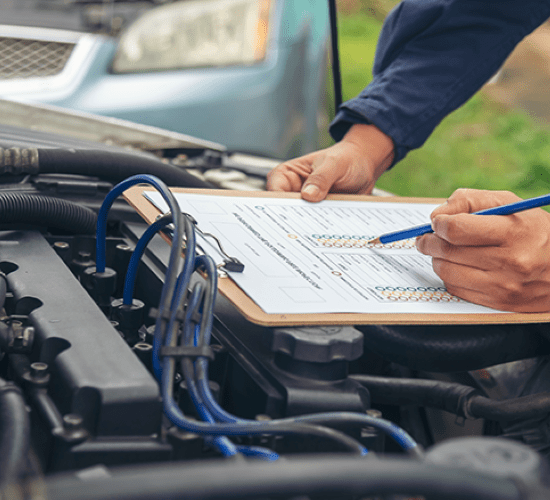
4. Confirm the Right Oil Viscosity for Cold Weather
Engine oil becomes thicker as temperatures fall. If the oil is too thick for your vehicle and the conditions, the engine may take longer to crank, and critical components may receive less lubrication during startup.
Check your owner’s manual for the recommended oil viscosity. The number before the “W” describes how the oil performs in colder conditions, but the best choice depends on your engine, age, design, and manufacturer requirements. Many newer vehicles use one specified oil grade year-round, while some older vehicles may have different recommendations for cold-weather operation.
During an oil change, ask the technician to verify that the correct oil is being used and to check for leaks or unusually low levels. Fresh oil can help reduce friction during cold starts and support reliable engine operation.
You can also review our guide to signs your car needs an oil change. If your engine is making new ticking or knocking noises, do not wait for winter to investigate them.
5. Have the Brakes Inspected
Stopping on a dry road is different from stopping on snow-covered or icy pavement. Winter conditions reduce available traction, so your brakes need to be in good working order before the roads become slippery.
A proper brake inspection should include the pads, rotors, calipers, brake hoses, lines, parking brake, and brake fluid. Road salt and moisture can contribute to corrosion, while worn pads or sticking calipers can affect braking performance and cause uneven wear.
Have your brakes checked if you notice:
- Squealing, grinding, or clicking
- A soft or low brake pedal
- Steering-wheel vibration while braking
- Pulling to one side
- A brake warning light
- Longer stopping distances than usual
Do not ignore grinding or a pedal that feels unusually soft. Our guide to professional brake repair for Madison drivers explains why small brake symptoms can become larger safety problems when they are left untreated.
6. Replace Wipers and Fill the Washer Fluid With Winter-Grade Fluid
Visibility can disappear quickly during a Wisconsin snowstorm. Worn wiper blades may smear moisture across the windshield instead of clearing it, while summer washer fluid can freeze in the reservoir or spray lines.
Replace blades that are cracked, split, streaking, or skipping across the glass. Then fill the reservoir with washer fluid rated for freezing temperatures. Avoid using plain water, which can freeze and damage the system.
Before the first freeze, also check that:
- The front and rear defrosters work correctly
- The windshield washer nozzles spray evenly
- The heater produces warm air
- Headlights, brake lights, and turn signals are working
- Your windshield has no significant cracks in the driver’s field of view
Clear snow and ice from the entire vehicle before driving, including the roof, hood, mirrors, lights, and sensors. A small patch cleared in front of the driver is not enough, and loose snow from the roof can become a hazard for other drivers.
7. Build a Winter Emergency Kit
Even with good maintenance, weather and road conditions can change quickly. Keeping an emergency kit in your vehicle gives you more options if you get stuck, lose power, or need to wait for roadside assistance.
Your kit should include:
- Snow brush and ice scraper
- Warm blanket, coat, gloves, hat, and extra socks
- Flashlight with spare batteries
- Phone charger or power bank
- Jumper cables or a charged jump pack
- Small shovel
- Sand, cat litter, or another traction material
- Drinking water and nonperishable snacks
- Basic first-aid supplies
- Reflective warning device or emergency flares
Keep the fuel tank from getting too low during severe weather, especially if you are traveling outside Madison. Before longer trips, check current road conditions through 511 Wisconsin and let someone know your route.
Schedule Your Pre-Winter Inspection in Madison
Winter preparation is not just about avoiding inconvenience. It is about making sure your vehicle can start, steer, stop, and keep you warm when conditions are at their worst.
At Penguin Auto Care, our experienced technicians provide comprehensive inspections, tire services, brake repair, oil changes, cooling-system work, and other car maintenance services for drivers throughout Madison. If you are looking for a dependable auto shop in Madison, WI, we can help you identify small concerns before they become cold-weather breakdowns.
And if your current vehicle is nearing the end of its practical service life, Penguin Auto also operates a used vehicle dealership through Penguin Auto, giving you another option when it is time to find your next car.
Do not wait until the first freeze tests your vehicle. Book a pre-winter inspection with Penguin Auto Care today and head into the cold-weather season with greater confidence.